
Who should we trust to build our buildings?
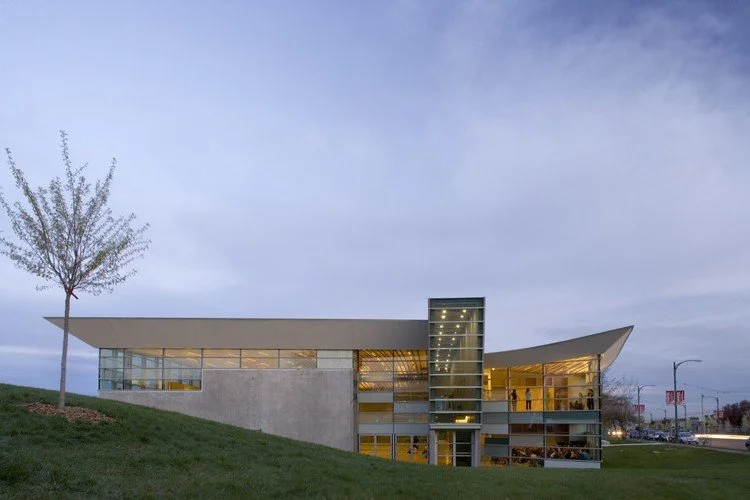
Sunset Community Centre by Revery Architecture, photo by Nic Lehoux
Understanding BC Bill M216 and What It Means for the Development Industry
In recent months, Bill M216 — the Professional Reliance Act — has become one of the most discussed pieces of proposed legislation in British Columbia’s development and professional regulation landscape. Introduced as a private member’s bill by MLA George Anderson, the legislation aimed to significantly change how local governments review development applications and technical submissions. (BC Laws)
The bill sparked strong reactions across the architecture, engineering, planning, municipal, and environmental sectors. While supporters viewed it as a potential solution to lengthy permitting timelines and duplicated reviews, critics raised concerns around public safety, environmental oversight, municipal autonomy, and professional liability. (Engineers and Geoscientists BC)
What Was Bill M216 Proposing?
At its core, Bill M216 proposed that local governments would be required to accept certified submissions prepared by qualified professionals regulated under BC’s Professional Governance Act (PGA), including architects, engineers, agrologists, and other registered professionals. (BC Laws)
The legislation intended to:
Reduce duplicated technical reviews by municipalities
Streamline development approvals
Shorten permitting timelines
Lower administrative costs for housing and infrastructure projects
Increase reliance on provincially regulated professionals
Under the bill, municipalities would have had limited ability to conduct additional peer reviews unless there were concerns about incomplete submissions or complaints involving the professional involved. (AIBC)
Why Supporters Backed the Bill
Supporters argued that many development applications already undergo extensive review by licensed professionals who are bound by professional standards, ethics requirements, and liability obligations.
Proponents believed the bill could:
Accelerate housing delivery during BC’s housing crisis
Reduce costly delays in permitting
Eliminate overlapping technical reviews
Allow municipal staff to focus on planning and policy rather than re-checking professional work
Statements supporting the bill emphasized that professional reliance could help “build the future faster, smarter and with hope.” (BCABD Building Designers)
Some industry voices also argued that repeated municipal reviews create uncertainty and increase project costs at a time when the construction industry is already facing major headwinds, including declining condo presales, slowing rental project viability, higher interest rates, and broader economic uncertainty. These challenges have been further compounded by recent policy changes such as the expansion of PST to professional services in BC beginning October 2026. (Government of British Columbia)
Concerns Raised by Industry and Municipalities
Despite the bill’s goal of speeding approvals, several professional organizations and planning bodies raised significant concerns.
Organizations including the Architectural Institute of British Columbia, Engineers and Geoscientists BC, and the Planning Institute of British Columbia submitted feedback cautioning that the legislation did not adequately address the complexity of development review processes. (Engineers and Geoscientists BC)
Key concerns included:
Reduced municipal oversight
Potential weakening of environmental protections
Increased professional liability exposure
Elimination of important peer-review mechanisms
Risk of disputes and inconsistent interpretation
Loss of local government discretion
PIBC formally recommended that the province not proceed with the bill, arguing that it could undermine public interest protections and conflict with existing provincial development approval reform initiatives already underway. (pibc.bc.ca)
Public commentary online reflected a similarly divided response. Some viewed the bill as a necessary step toward housing reform, while others warned that limiting independent review could compromise safety and accountability. (Reddit)
Current Status of Bill M216
As of April 2026, the sponsor of Bill M216 requested that the Select Standing Committee end its consideration of the legislation. According to statements released afterward, the provincial government indicated it would continue exploring ways to reduce permitting timelines while balancing safety, municipal oversight, and professional accountability. (Engineers and Geoscientists BC)
Although the bill itself is unlikely to proceed in its original form, the broader conversation around development approvals reform and professional reliance in BC is far from over.
Why This Matters to the AEC Industry
Bill M216 highlighted growing tension between two major priorities in British Columbia:
Accelerating housing and infrastructure delivery
Maintaining strong public oversight and accountability
For architects, engineers, planners, and developers, the debate also raised important questions around:
Professional responsibility
Liability exposure
Municipal review authority
Efficiency of development approvals
The future role of professional reliance in housing delivery
With the province continuing to pursue aggressive housing targets and permitting reform initiatives, similar policy discussions are likely to continue over the coming years.
Looking Ahead
Whether one supported or opposed Bill M216, the legislation succeeded in initiating an important industry-wide discussion about how BC can balance speed, safety, accountability, and affordability in the development process.
As the province explores future reforms, meaningful collaboration between local governments, professional regulators, industry organizations, and the development community will be essential to creating a system that is both efficient and trusted by the public.